
What to Wear for Family Photos—Without Dressing Like Someone Else
What to Wear for Family Photos
Without Dressing Like Someone Else
If you’ve typed “what to wear for family photos” into Google, there’s a fair chance you’re now wondering whether your entire family needs to become a beautifully coordinated beige-linen catalogue.
You do not.
The short answer is: wear something that feels like you, lets you move and makes you feel really bloody good.
The longer answer is this guide.
Certain colours, patterns, fabrics and outfit combinations do affect how a photograph looks. It’s useful to understand why, so you can make choices on purpose. But these are helpful tools—not portrait-police laws.
Maybe your family is colourful and eclectic. Maybe you’re down to earth, rough around the edges or happiest in black from head to toe. Maybe you love floaty dresses, band shirts, work boots, sequins, op-shop treasures or clothes loud enough to arrive before you do.
You do not need to soften, tidy or neutralise yourself for beautiful photographs. Who you are isn’t merely “enough.” It’s the whole bloody point.
And if you walk past the mirror and think, “Damn…”—even better. You should feel like a goddamn god, goddess or generally magnificent human in whatever you choose.
Start with the outfit that makes you feel incredible
Before you make a colour palette or coordinate anybody else, find the outfit that makes its wearer feel best.
That might be the person who cares most about clothes. It might be the person who finds shopping hardest. It might be the child who has already decided the sparkly dinosaur dress is non-negotiable.
Put the outfit on and properly test it. Walk around. Sit down. Raise your arms. Crouch. Cuddle someone. Pick up a child if that’s something you’re likely to do during the session.
Ask yourself:
Can I move comfortably?
Am I going to spend the whole session adjusting this?
Do I like how it feels from more than one angle?
Does it feel like me—or like somebody I thought I had to become for photographs?
When I catch myself in the mirror, do I think, “Yep. There I am”? (And also, “Daaaammmmnn. Smoking.”)
Comfort matters because discomfort shows up. If a waistband digs in, shoes hurt or a neckline needs constant monitoring, part of your attention will stay with the clothing instead of the people around you.
You also do not need to buy anything new. The best outfit may already be the thing you reach for whenever you want to feel good. (Of course. Permission granted for a shopping spree if that will bring you joy, haha!)
Please don’t dress to make yourself smaller
You are not a problem your outfit needs to solve.
You won’t find rules here about hiding your arms, disguising your stomach, making your legs look longer or wearing black because somebody on the internet decided every body should be trying to appear smaller.
Wear the silhouette you enjoy. Fitted, oversized, flowing, structured, soft, dramatic, simple—any of it can photograph beautifully when it feels intentional and you feel at home inside it.
My job is to find good light, give flattering direction and notice the occasional slouch, wonky hand or bunch of fabric. It is not to erase you and replace you with a more socially acceptable shape.
If there is something you feel sensitive about, please tell me. I can be thoughtful about direction, angles and where attention falls without treating your body like a renovation project.
Coordinate your family outfits—don’t clone them
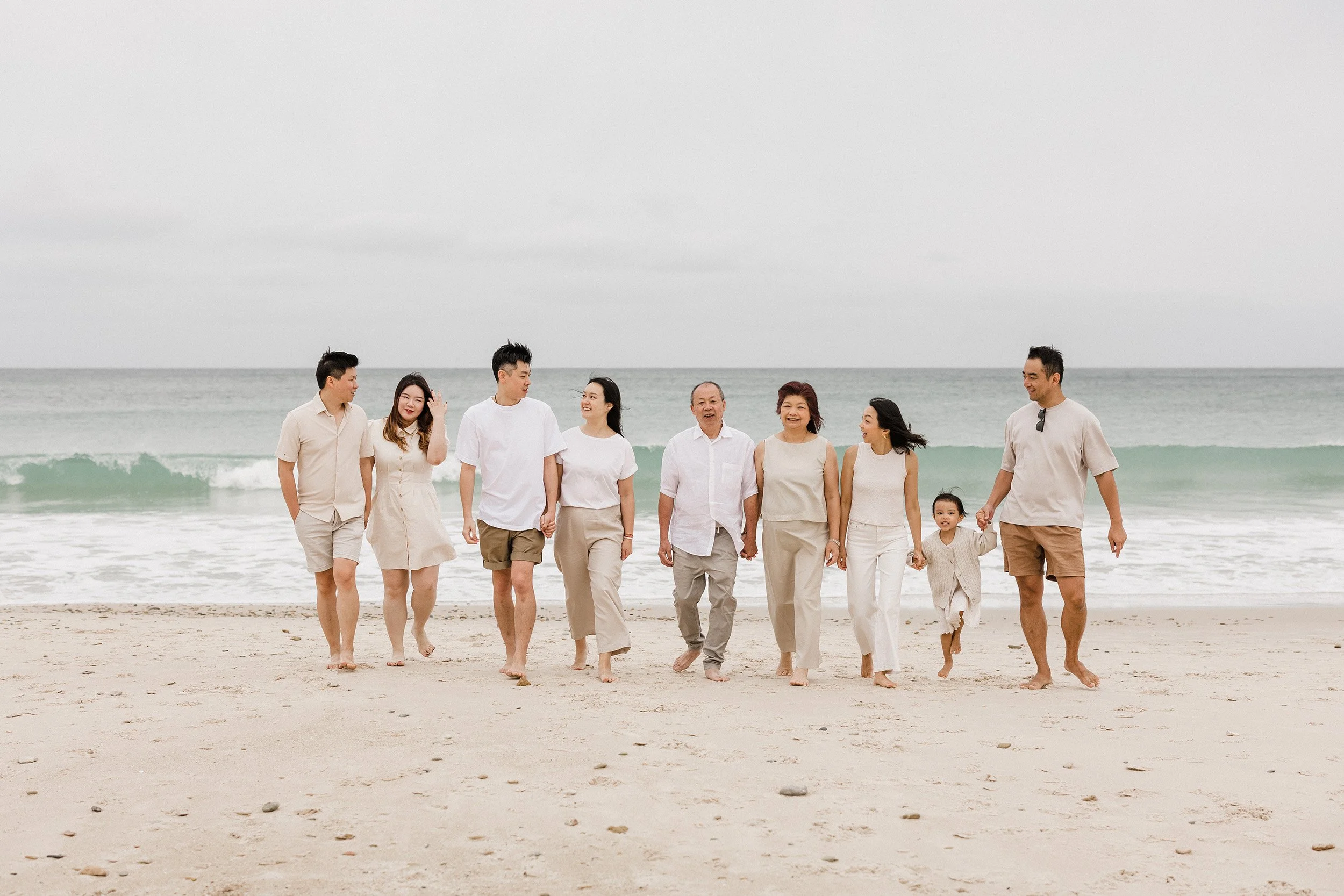
The easiest way to make several outfits feel connected is to choose a loose colour palette rather than dressing everybody identically.
Three to five colours can be a useful starting point for a family or extended-family session. Nobody needs to wear every colour. Let them appear in different amounts through shirts, dresses, trousers, jackets, patterns, jewellery and shoes.
For example:
rust, ochre, denim, cream and deep green
plum, pink, blue, orange and burgundy
black, white, red and metallic details
soft blues, warm neutrals and faded yellow
several completely joyful colours tied together by one patterned piece
Start with the outfit you love most. If it contains a pattern, pull a few colours from that pattern for everybody else. Then mix different textures, shapes and layers so the group feels connected without looking like a uniform.
It also helps when everyone is dressed to roughly the same level of formality. One person in a three-piece suit beside four people in gardening clothes may look accidental. (Or amazing 🤔). If that contrast is completely deliberate and deeply you, though? Carry on.
For an extended-family session, you don’t need to control twenty people through a highly specific group-chat dress code. Give everyone the loose palette, ask each household to coordinate within it and release yourself from becoming the wardrobe dictator.
And yes: if matching white shirts and jeans are an intentional retro family-uniform moment that brings you genuine joy, I will photograph the hell out of it.
You are absolutely allowed to wear colour
Neutral and earthy colours are popular for portrait sessions because they sit quietly in a photograph. They rarely reflect strong colour onto skin, and they allow faces, movement and connection to take visual priority.
That makes them easy. It does not make them morally superior.
Bold colour can bring energy, personality and a brilliant sense of play. It can help somebody stand out from the landscape or turn a very ordinary location into something visually exciting. A red dress in a dry summer paddock can look incredible. So can cobalt blue, hot pink, mustard, emerald, orange or an unapologetically colourful mixture.
The practical thing to know is that very bright or fluorescent colours can reflect onto nearby skin—especially when worn close to the face, (or if you’re pale like me). A neon-pink shirt may create a faint pink glow beneath the chin or on the person cuddling beside you.
If avoiding that matters to you, use the brightest colour farther from faces, choose a slightly less fluorescent version or balance it with other tones.
If neon is part of your soul, wear the neon. I would rather work thoughtfully with a little reflected colour than photograph a muted version of you that doesn’t feel right.
The location matters too. Green in native scrub may blend softly into the scene. Red or yellow may stand strongly against it. Neither is wrong. The question is whether you want your outfit to settle into the landscape or joyfully announce itself.
Patterns are not banned either
Patterns can be fantastic. A floral dress, striped shirt, checked jacket or gloriously strange vintage print can become the piece that holds the whole group together.
There are only two practical things worth understanding:
Several competing patterns ask for attention at once. If every person is wearing a different high-contrast print, the clothes may become the first thing your eye notices. If you want the pattern to lead, brilliant. If you want it to support the people, balance one or two patterned pieces with some simpler areas.
Very tiny, high-contrast patterns can behave strangely on camera. Fine stripes and tiny checks can sometimes create a rippling digital effect called moiré. Even without a distinct moiré, it can create a visual wobble with resampling. A larger or softer pattern can prevent this weird optical wobble.
Logos and large words work similarly: our eyes naturally try to read them. That can pull attention away from faces and may date the photograph more quickly.
But if your battered band shirt, footy jumper or loud graphic tee says something real about you, that meaning may matter far more than visual neatness.
This is the difference between a rule and an informed choice.
What to wear for outdoor family photos (and what we’re actually going to do)
My portrait sessions involve more than standing neatly in one place. We may walk through long grass, sit on the ground, cuddle, dance, climb over a fallen log, play with the children or follow the dog towards whatever fascinating smell has just destroyed their attention span.
Choose clothes and shoes that let you participate.
If you love heels but we’re walking through a paddock, bring comfortable shoes for the wandering parts and change when we reach our portrait spot. If we’re at the beach, expect sand and wind. If we’re photographing at home, bare feet and soft clothes may feel more natural than dressing for an imaginary occasion.
You don’t need to turn the location into a costume theme. A beach session does not require white linen. A country session does not require boots and a hat. Wear those things if you love them—not because the scenery demanded a uniform.
A note about South Australian weather
Outdoor sessions around Adelaide, the Clare Valley and regional South Australia can involve hot summer evenings, very cold winter wind and temperatures that drop quickly once the sun disappears.
In warmer weather, choose breathable fabrics and clothes that don’t become unbearable when you move. Bring water. In cooler weather, use layers you genuinely like enough to leave on in the photographs. Texture from knits, jackets and coats can look beautiful, and warm children are generally much more interested in participating than freezing ones.
I’ll help choose a session time that works with the light, weather and the people being photographed—not insist that a toddler stay cheerful hours past bedtime because golden hour said so.
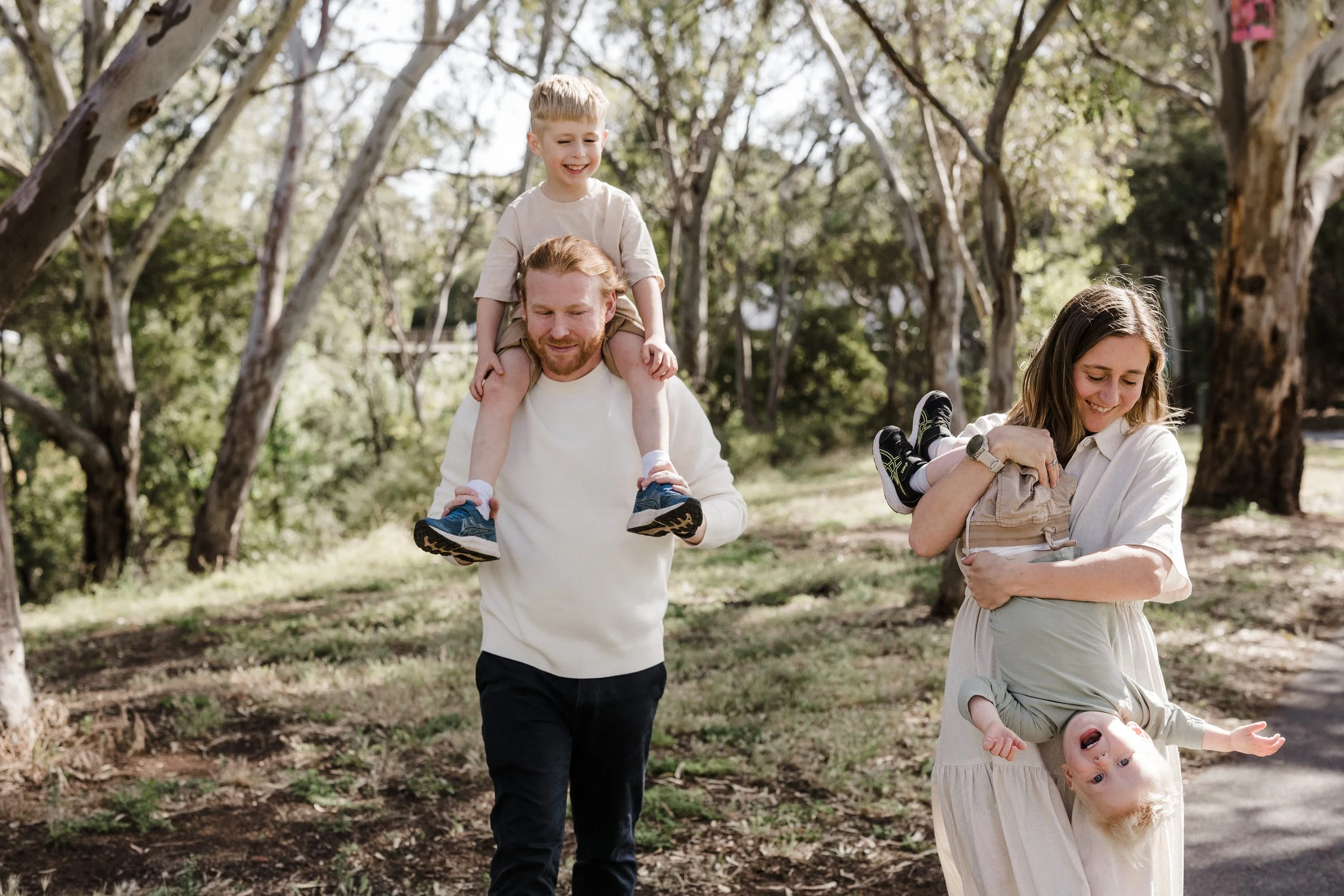
What should children wear for family photos?
Something they can move, play and be themselves in.
The most photogenic children are not necessarily the most formally dressed. They are the ones who are comfortable enough to forget their clothes and engage with the people around them.
Avoid anything painfully itchy, unusually restrictive or so precious that nobody is allowed to sit on the ground. New shoes can be a gamble. So can an elaborate outfit your child already hates before leaving home.
If they’re old enough to have opinions, involve them. You can offer two or three parent-approved choices rather than asking an open question and discovering they have selected swimmers, gumboots and a superhero cape.
Although, honestly, I could make something of that.
A favourite dress, character shirt or pair of boots may not fit a conventional styling guide, but it might capture exactly who they are at this age. You can always bring it as an optional second layer or include it for a few photographs.
For babies and toddlers, a spare outfit is sensible. Nappies leak. Snacks escape. Mud appears with supernatural speed.
A few notes for different kinds of portrait sessions
Couple and engagement photographs
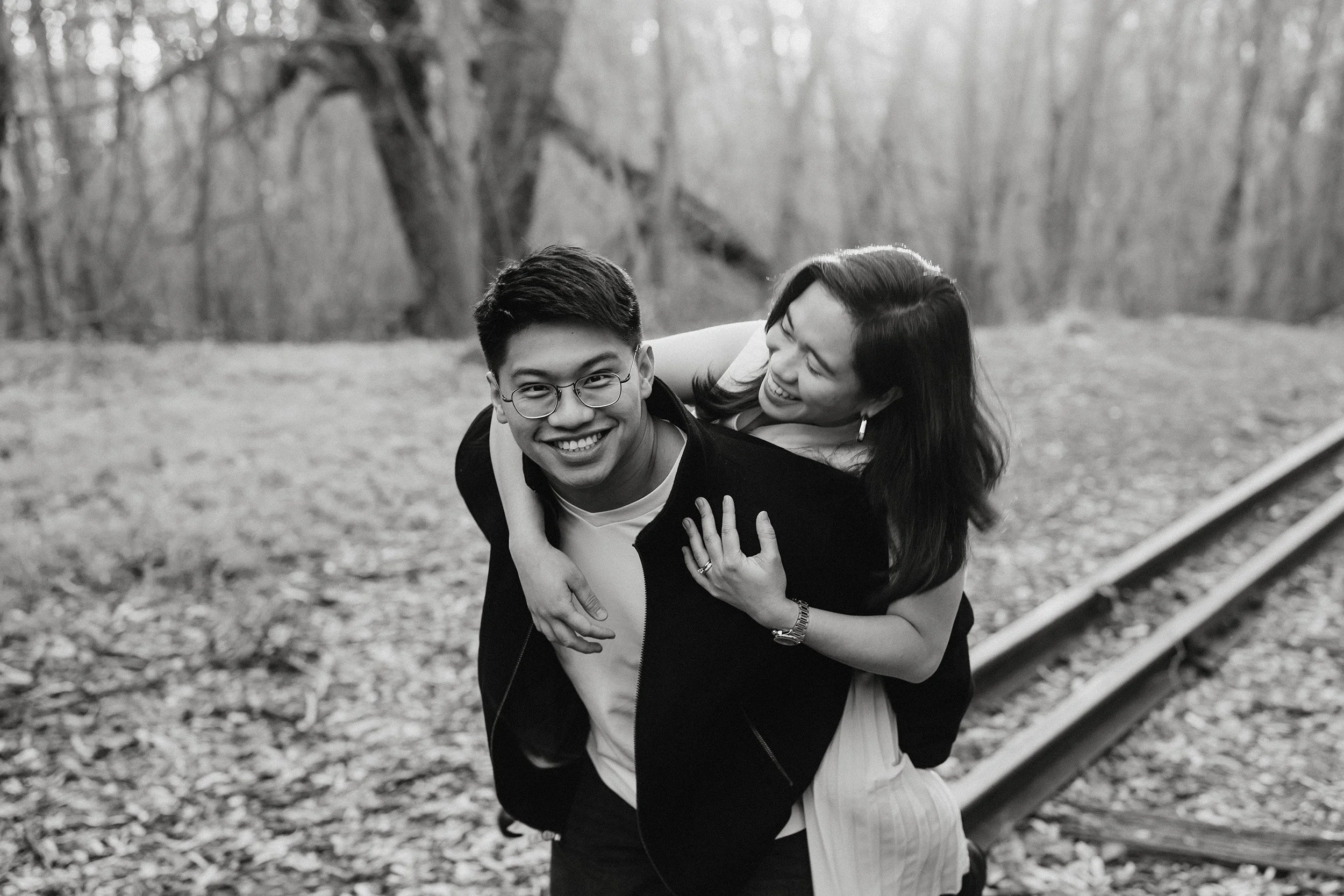
You only need to coordinate with one other person, so there is more room to be bold. Wear something that makes you feel like the best version of yourself—or the most honest version. Those may be the same thing.
Make sure you can move, sit and get close without constantly fixing your clothing. If one person dresses formally and the other casually, check that the contrast feels deliberate.
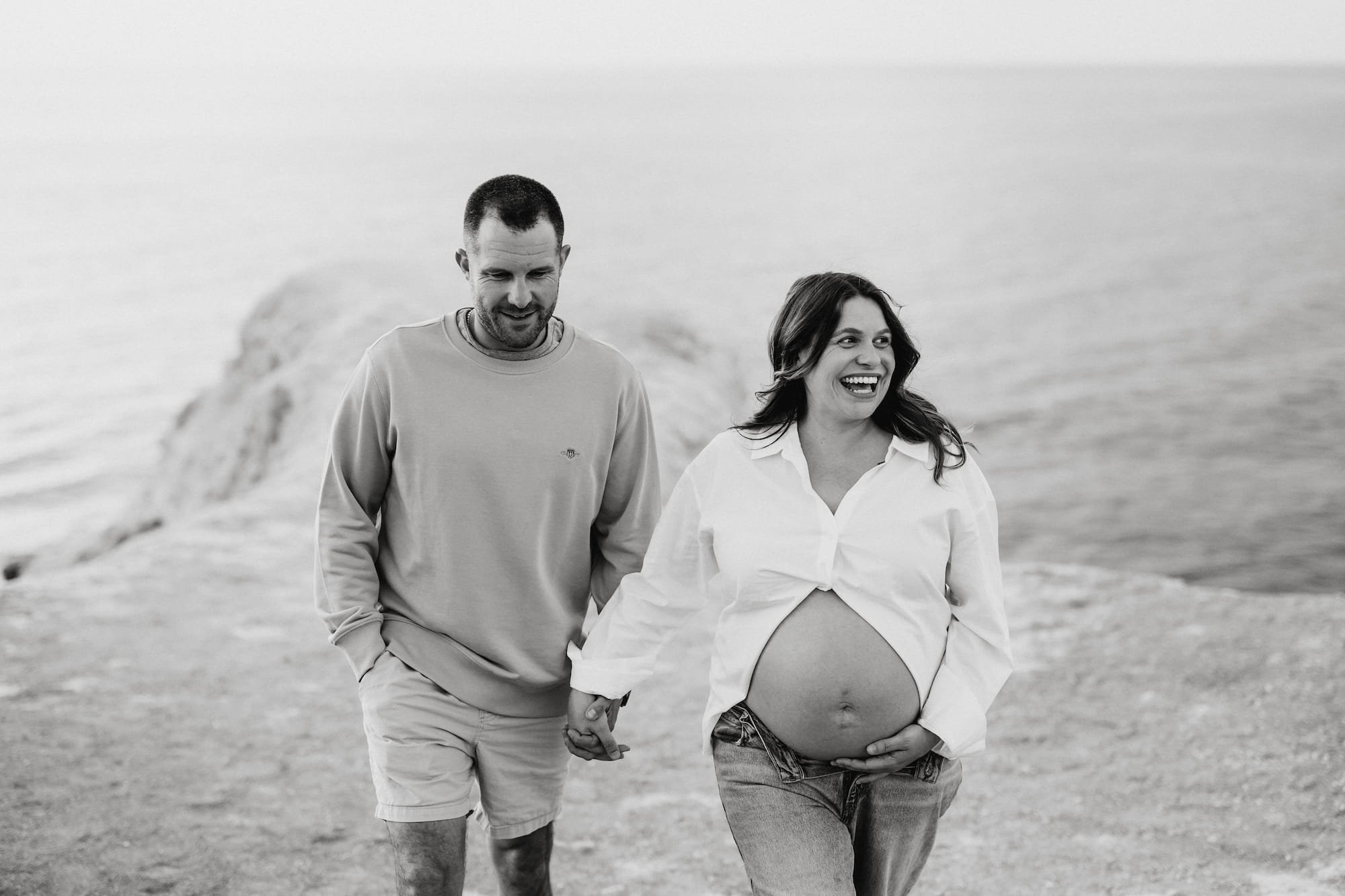
Maternity portraits
You do not have to wear a flowing maternity gown unless you want one.
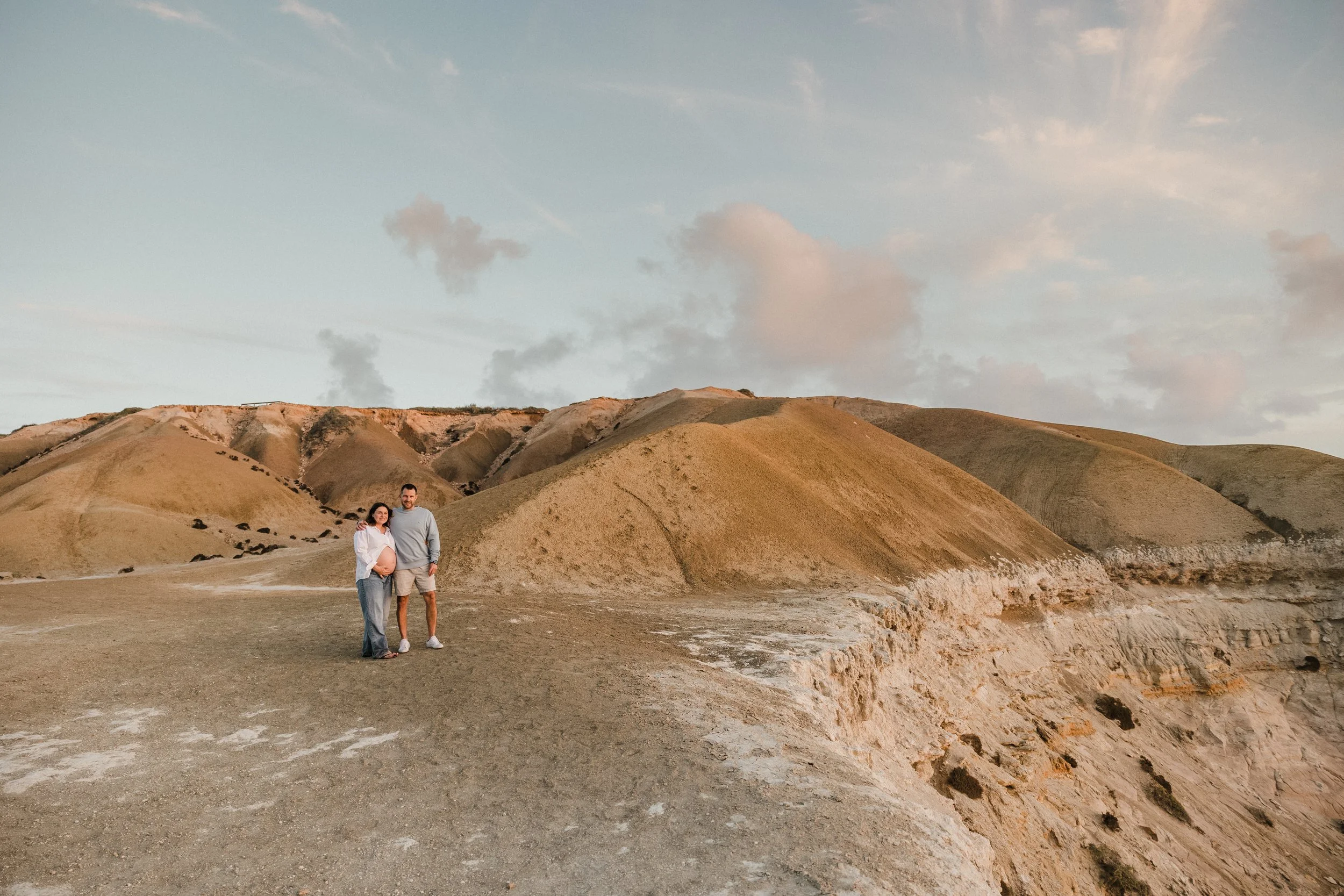
A fitted outfit can celebrate the shape of your body. A loose shirt, favourite dress, jeans un-done, underwear, fabric draping or something completely non-traditional can do the same in a different way.
Choose what makes you feel powerful and comfortable in the body you have that day. If two looks matter to you, tell me and we can plan the time rather than turning half the session into a wardrobe change.
Newborn photographs at home
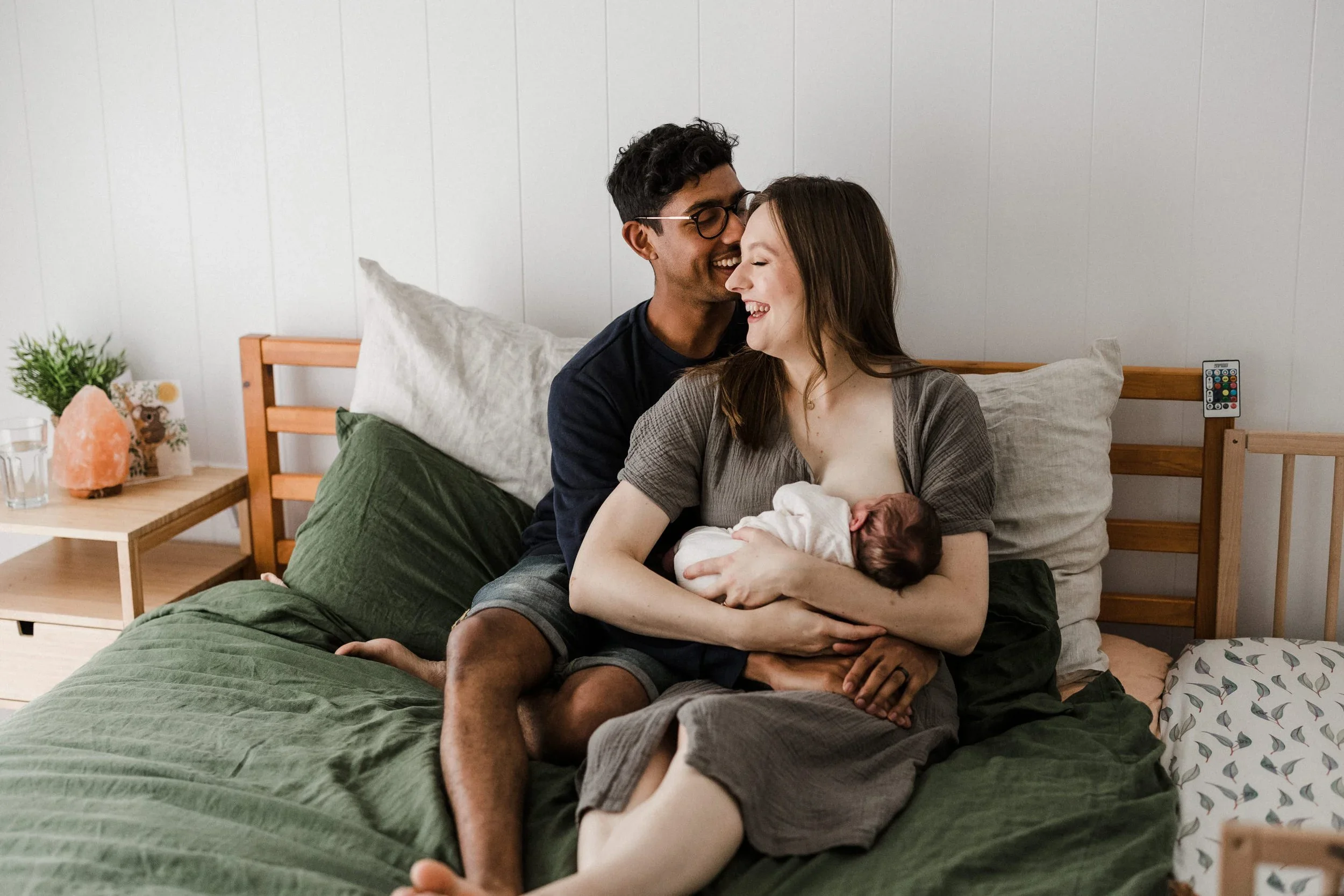
At-home newborn sessions are allowed to feel like home. Soft clothes, bare feet, comfortable layers and easy access for feeding or skin-to-skin photographs can be useful.
You do not need to dress your house or family in white. Colour, patterned bedding, lived-in rooms and the things already surrounding your baby are part of their beginning.
Individual and creative portraits
This is the perfect place for the killer outfit, odd jacket, huge hat, dramatic silhouette or idea you haven’t had a reason to use.
You’re not coordinating with a whole family, so the clothes can take up more visual space. Bring the personality. We’ll make the light and location work with it.
Do you need to bring a second outfit?
Usually, no.
Changing clothes takes time and can interrupt the lovely point where everybody has relaxed and stopped thinking so much about the camera.
For most family and couple sessions, one outfit you genuinely love is more useful than two outfits you feel moderately fine about. A jacket, hat, scarf or other easy layer can create variety without disappearing to change.
For an individual, maternity or deliberately creative session, two looks can absolutely be worthwhile. Tell me beforehand so we can allow for it properly.
Tiny practical details worth checking before you leave
These aren’t style rules. They’re simply things people often notice five minutes into the session:
Empty bulky phones, keys and wallets from pockets.
Remove hair ties or watches from wrists if you don’t want them in the photographs.
Clean glasses—but please wear them if they’re part of you.
Check that straps, tags and underlayers are sitting where you want them.
Bring a warm layer, water and sensible walking shoes when the location calls for them.
Pack a spare outfit for babies or spectacularly messy small children.
Bring treats, water and a lead for dogs.
Bring snacks, water and fun activities and/or toys for young kids.
If an accessory or piece of jewellery has meaning, bring it. Meaning beats minimalism.
Professional hair and makeup are completely optional. Wear as much or as little as feels right. A portrait session is probably not the best day to test a completely unfamiliar version of your face unless experimenting is the whole point.

The five-minute family outfit method
To summarise:
Choose the outfit that makes one person feel incredible.
Pull three to five loose colours from it.
Add everyone else without making them match exactly.
Mix some texture, shape and perhaps a pattern.
Lay everything together and take a phone photograph.
Make sure everyone can move and cope with the weather.
Stop. You’re done.
If the result looks like your people, it works.
Frequently asked questions about what to wear for family photos
-
Colours that work together and feel good on the people wearing them. Neutrals and earthy tones are easy and quiet; bold colours bring energy and personality. Very fluorescent colours can reflect onto skin, but they are not forbidden.
-
Only if you genuinely want to. A loose palette usually creates connection while allowing everyone to remain an individual. Matching outfits can also be hilarious, nostalgic or completely perfect when they’re chosen on purpose.
-
Absolutely. Black can look strong, elegant or wonderfully moody; texture helps preserve detail in shadow. White can look fresh and simple, although it shows dirt quickly and creates more contrast against darker surroundings. Neither colour is a problem.
-
Yes. Patterns add personality and can anchor the colour palette. If you want faces and connection to lead, balance several bold prints with simpler pieces. Avoiding extremely fine, high-contrast stripes can also reduce digital moiré.
-
No. Clothes you already know, love and feel comfortable in are often a great choice.
Or course, if you’d like a little shopping spree, permission granted.
-
Send me a phone photograph of your options. I’m genuinely happy to help you compare them, build a loose palette or work out which choice best suits the location and photographs you want.
Turn up as yourselves
I can help you understand colour casts, visual balance, movement, weather and the way different fabrics behave in photographs.
But the goal is not to sand the interesting edges off your people until everybody looks tasteful and interchangeable.
Turn up colourful. Eclectic. Soft. Loud. Rough around the edges. Down to earth. Carefully styled. Barefoot. Covered in jewellery. Dressed in black. Dressed like the human equivalent of a packet of sprinkles.
Turn up completely and unashamedly yourselves.
That is not something I’ll work around. It is what I want to photograph.
Already booked? Send me your outfit options whenever you’re ready—I’m very happy to help.
Still thinking about a session? You can learn more about my relaxed family and portrait photography, browse real portrait sessions or tell me your half-formed plans.


Lauren and Brent married in this field, and so it was very special for them to be able to come back and take family portraits here with their two little girls. Exploring the forest looking for wild flowers in the conservation park, and cuddling underneath the wedding tree in the paddock while horses looked on.