
How to Choose a Wedding Photographer Who Feels Right for you
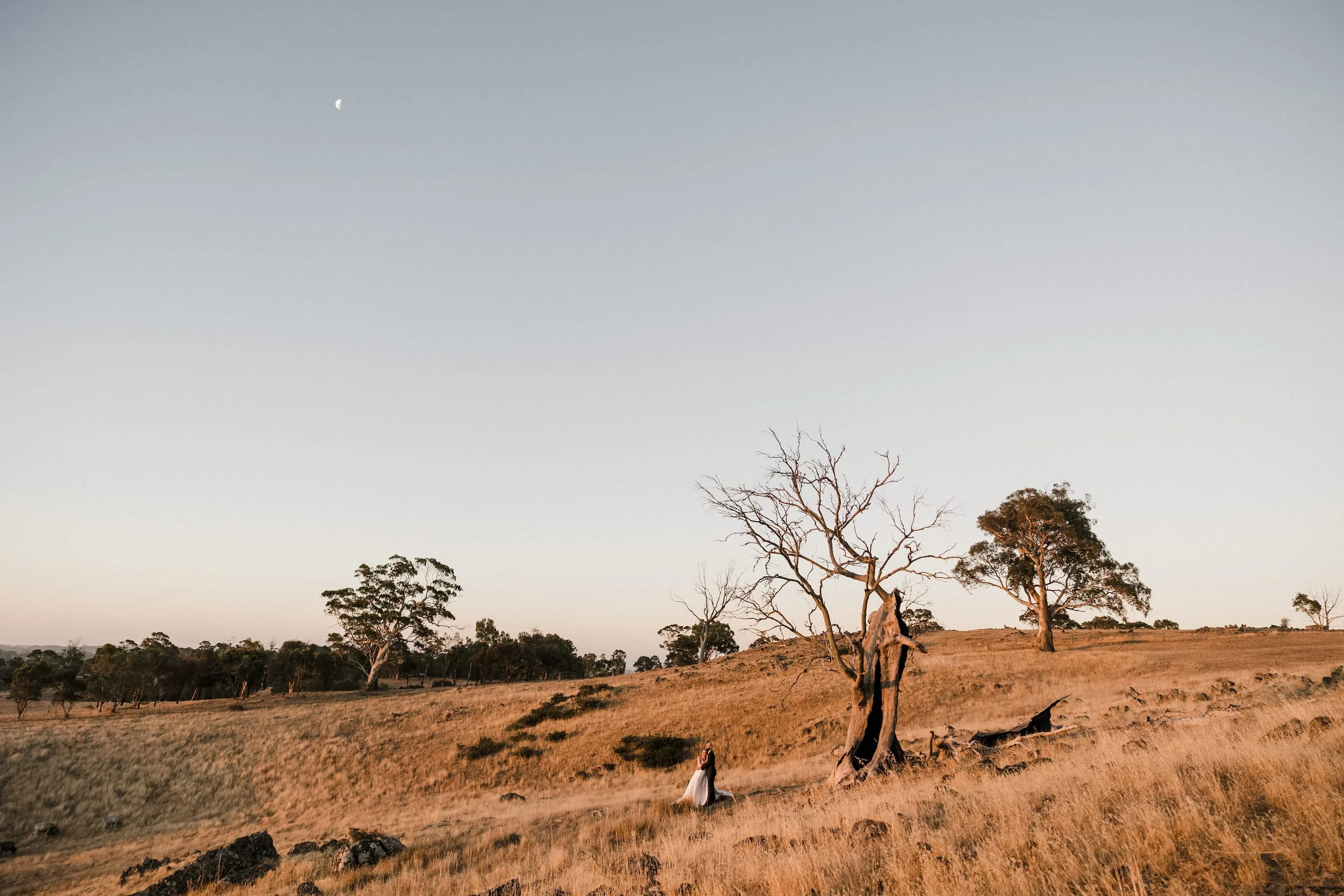
There are plenty of articles about how to choose a wedding photographer. They’ll tell you to read reviews, check their experience, look through full galleries and ask about backup equipment. All very sensible things.
But this guide is about something a little different: How do you find a photographer who will deliver not only the kinds of photographs you want, but the kind of experience you want on your wedding day?
Because photographers can approach the same wedding in completely different ways. Some will confidently take control. Some will carefully pose you into the most flattering version of yourself. Some will barely interrupt the day at all. Others will help you feel relaxed enough to forget you’re being photographed.
None of these approaches is automatically better. The goal is to find the one that makes you think: Yes. That’s what I want.
Before we begin, try to put the budget aside
Not forever. Weddings are expensive, budgets are real and price obviously matters. But just for the next few minutes, imagine every photographer cost exactly the same.
How would you choose?
Would you want someone to take control and make sure every important photograph happens? Someone who helps you look and feel absolutely sublime? Someone who lets you experience the day with as little interruption as possible? Someone who helps you relax and feel like yourselves? Or someone who makes your romance feel like a scene from a beautiful film?
Once you understand the experience and end result you’re looking for, comparing photographers becomes much easier. You’re no longer trying to find the universally “best” photographer. You’re trying to find the right photographer for you.
Why wedding photography styles can be confusing
You’ll often see words like classic, editorial, documentary, candid, natural and cinematic used almost interchangeably.
That’s partly because some describe how the photographer works, while others describe how the finished photographs look. Most photographers also blend several approaches rather than fitting neatly into one box.
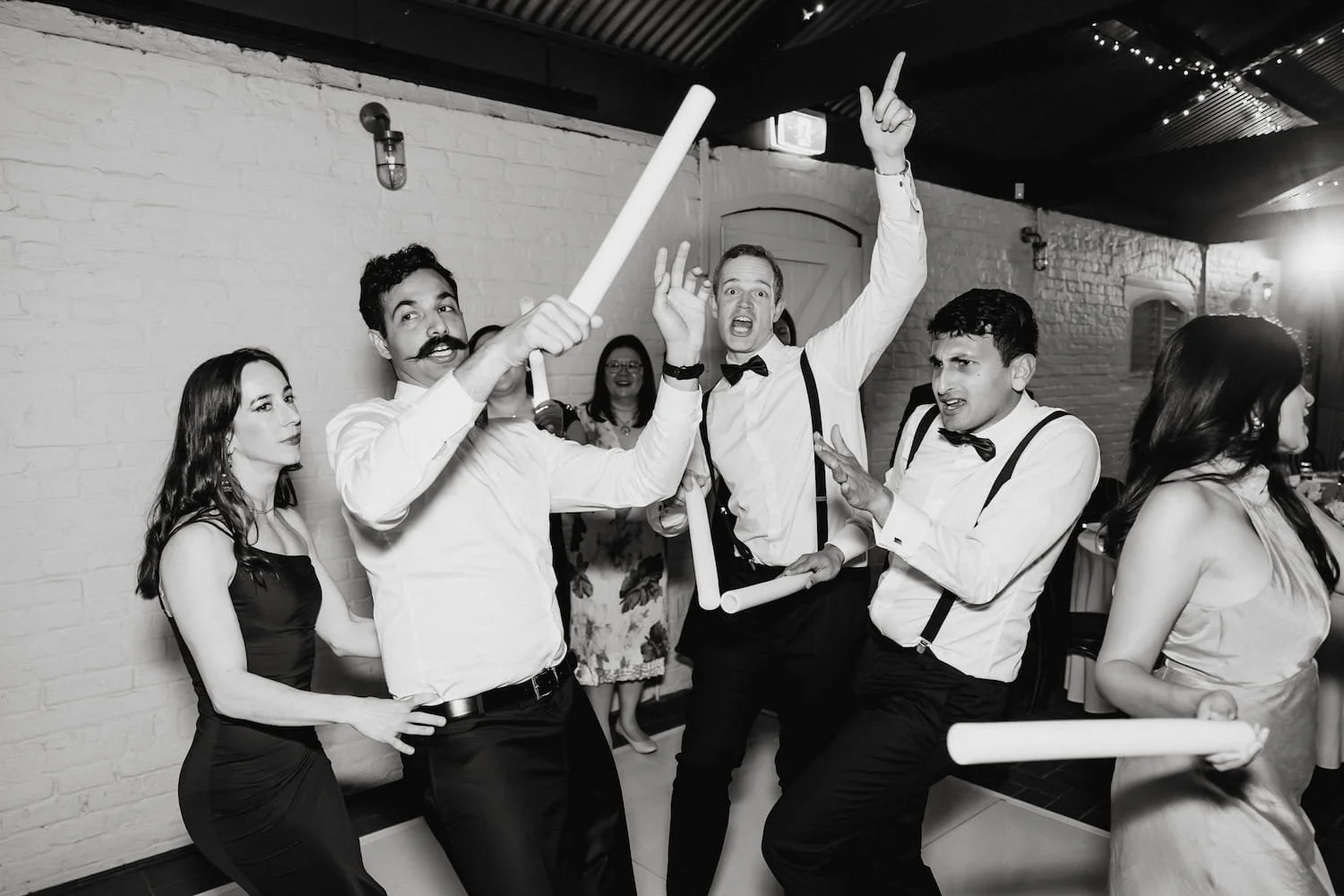
“Candid,” for example, usually describes a real, unposed moment. A documentary photographer may capture candid moments by interfering as little as possible. A natural photographer may interact and build rapport, helping people feel comfortable enough for those moments to happen.
The labels are useful, but the experience behind them matters more. As you read, simply notice which approach makes you think: Yes. That’s what I want.
Five common wedding photography styles
Classic
Make sure we have everything. Take control.
Classic wedding photography is structured, organised and reassuring. The photographer actively creates the formal family groups, camera-facing portraits, wedding-party photographs and important milestone images many couples expect.
They may use a shot list, carefully arrange people and offer clear direction. Some couples genuinely want to know that every important person will be photographed clearly, beautifully and together.
Many couples assume every wedding photographer automatically provides this kind of coverage, so it’s worth checking rather than assuming.
Classic photography may suit you if you want your photographer to confidently take charge and make sure nothing important is missed.
Editorial
Help me look and feel sublime.
Editorial wedding photography is fashion-inspired and deliberately created.
The photographer shapes posture, movement, composition and light to flatter you and help you feel confident—even if you have absolutely no idea how to pose.
The appeal isn’t simply that the photographs look fashionable. It’s knowing your photographer will guide you into photographs that make you look and feel incredible.
Editorial photography may suit you if you want strong direction, flattering portraits and undeniable queen energy.
Documentary
Let me experience the day without interruption.
Documentary photography is built around observation. Rather than directing or recreating moments, the photographer captures the real interactions, emotions and relationships unfolding throughout the day.
A very hands-off documentary photographer may interact little and create few traditional portraits unless they are requested. For some couples, that sounds like heaven.
Others are warm and sociable while still avoiding direction, so it’s worth asking what “documentary” means to each photographer.
Documentary may suit you if you want candid moments, minimal interruption and a beautiful, honest record of what actually happened.
Cinematic
Make our love story feel like a romance film.
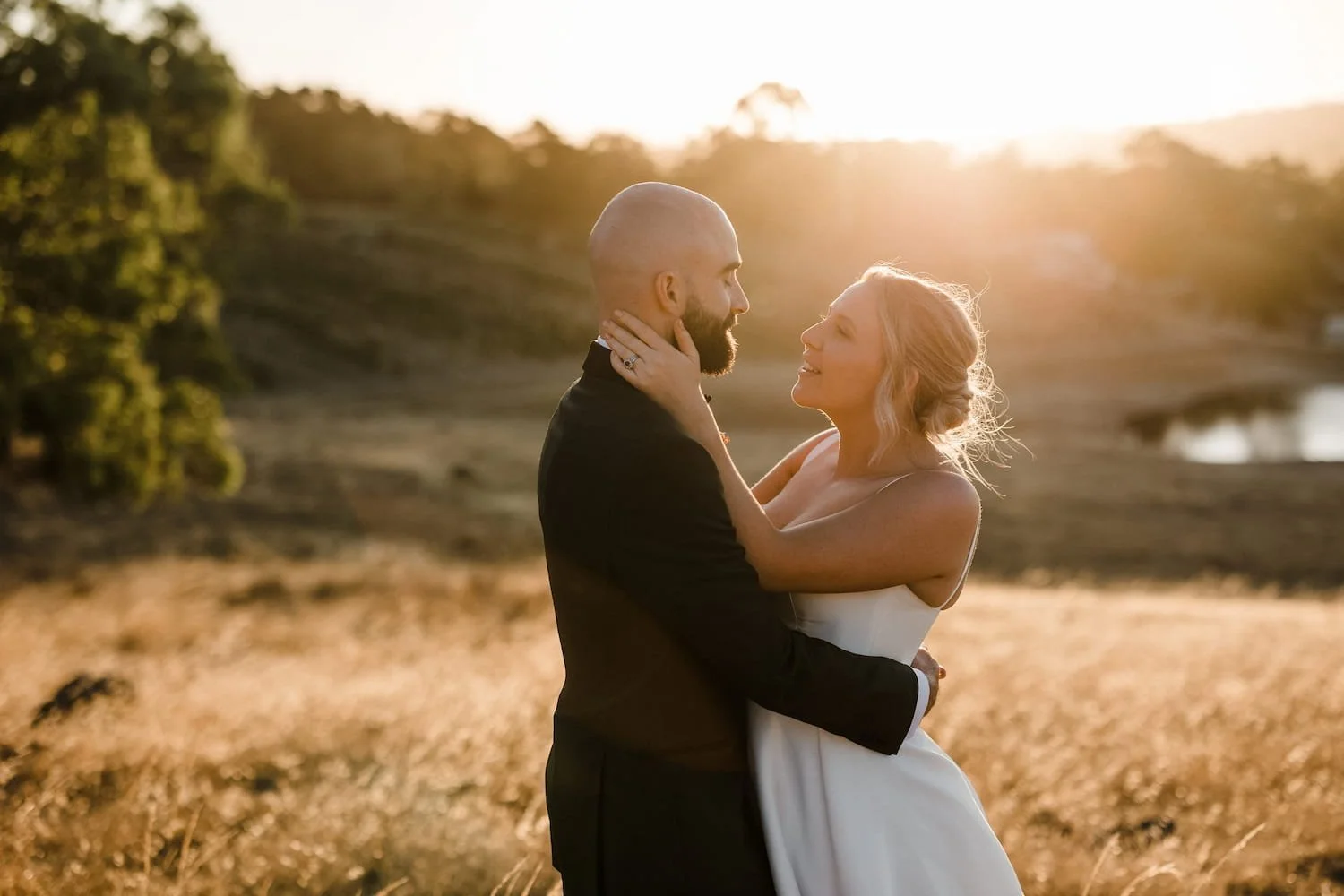
Cinematic wedding photography is often associated with darker editing, dramatic landscapes, motion blur, shallow depth of field and photographs that resemble film stills.
Those things may be part of the current aesthetic, but they aren’t really the heart of it.
A cinematic photographer directs with feeling and story in mind, creating portraits that feel like scenes from a beautiful romantic film. They may create anticipation, movement, longing, intimacy or a grand sense of romance. The photographer isn’t only documenting what happened. They’re interpreting the relationship through a strong and stylised vision.
Natural photography asks: How can I help these people feel recognisably themselves?
Cinematic photography asks: How can I make their romance feel like a film?
Cinematic photography may suit you if you want photographs that feel heightened, atmospheric and deeply romantic.
Natural
Help us relax, feel like ourselves and have a bloody good time.
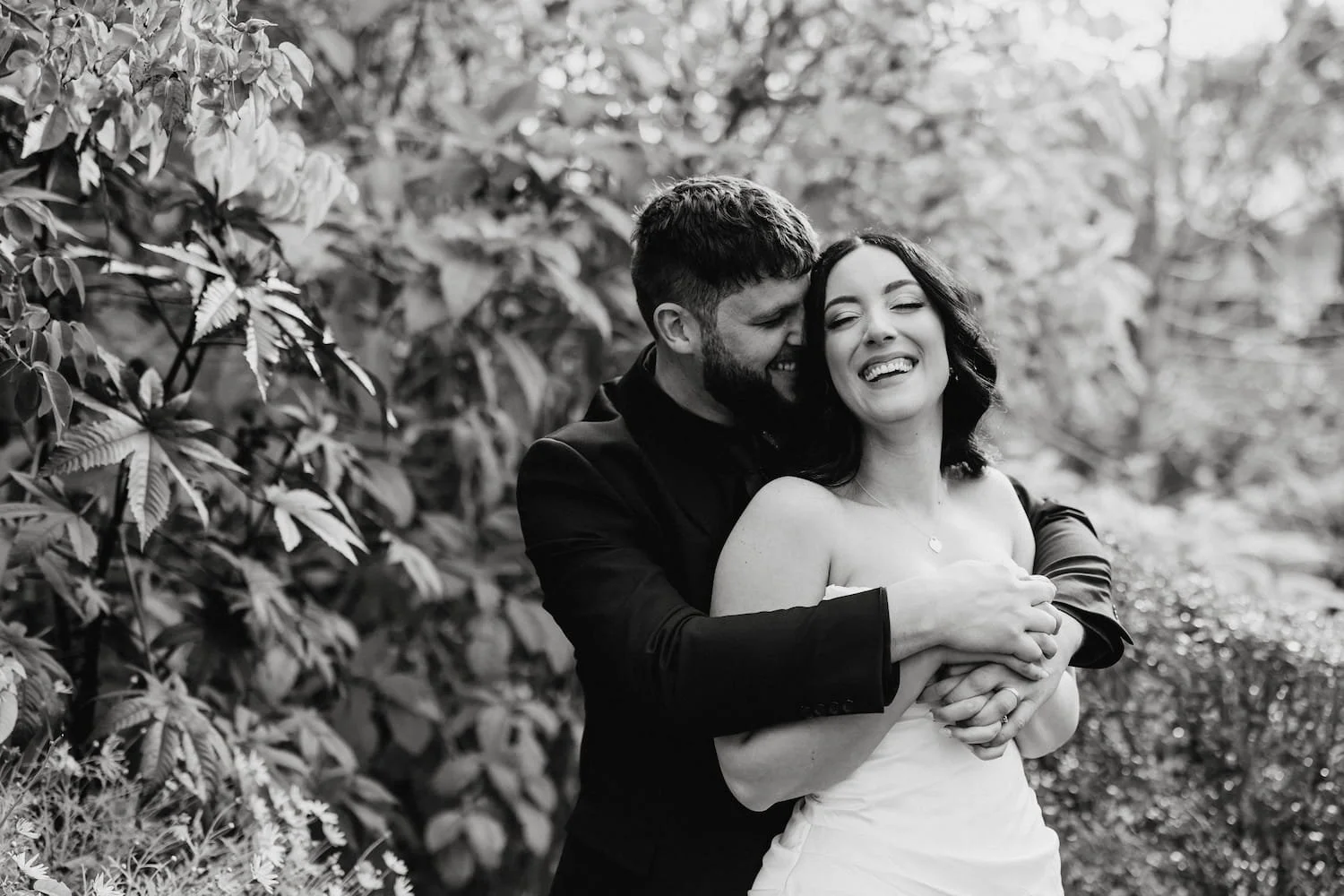
Natural photography is best understood by its intention: to help people feel comfortable enough to be recognisably themselves in their photos.
The photographer may guide you into lovely light, chat and build rapport, introduce movement or offer gentle, conversational prompts. But they won’t require you to perform a version of love that isn’t yours.
Not big on dancing? You don’t need to dance.
Not particularly touchy-feely? You don’t have to cup each other’s faces and gaze intensely into one another’s eyes.
Quiet together? You don’t need to suddenly become the loudest, wildest people in the room.
Natural photographers are usually deeply drawn to candid moments. They help nurture the comfort and trust that allow real laughter, emotion and interaction to happen.
Natural photography may suit you if you want help feeling relaxed without the session feeling like a photoshoot.
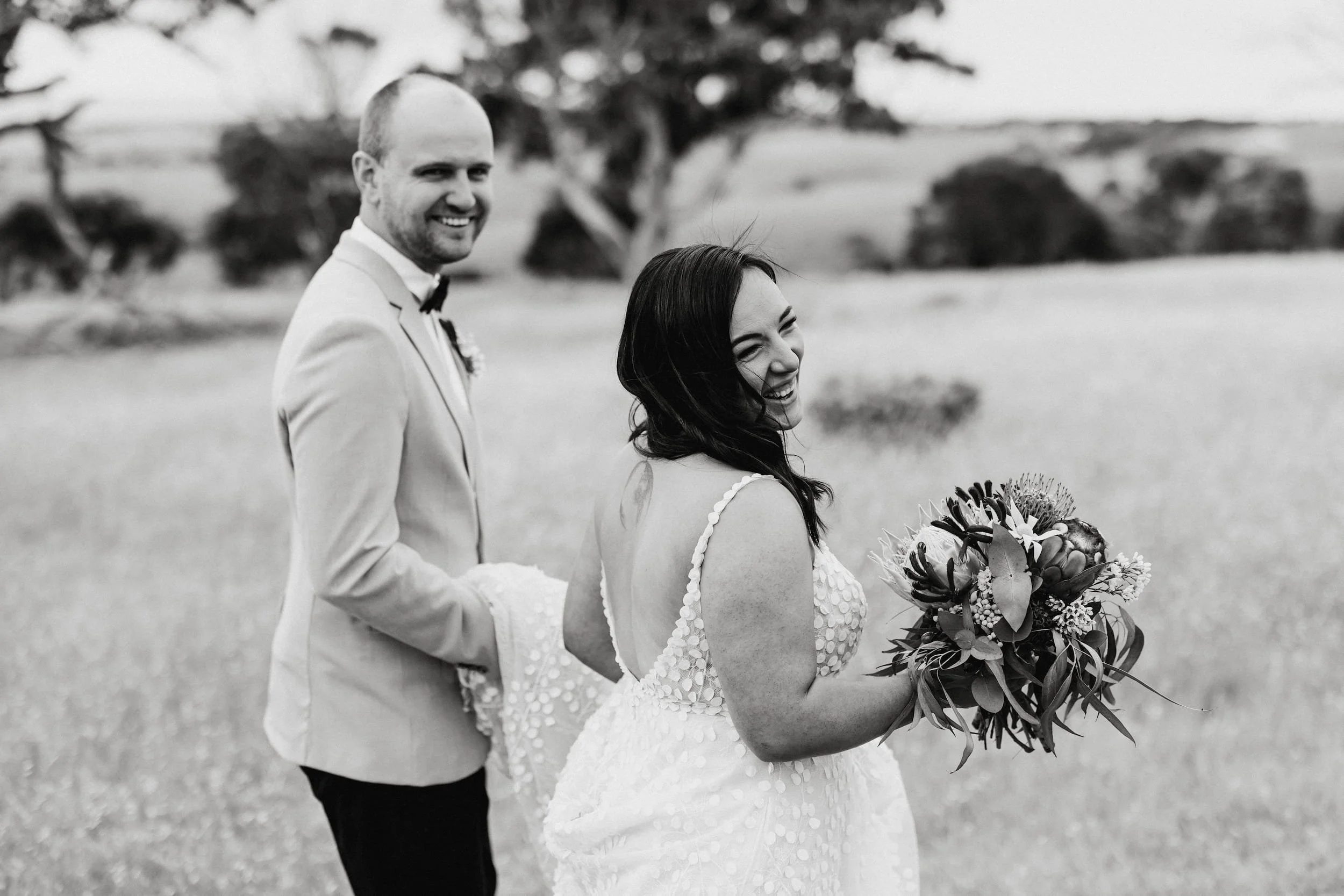
Four questions to ask yourselves
You don’t need to perfectly identify your photography style before enquiring. These aren’t rigid tests—just clues about the kind of experience that may help you feel most comfortable.
1. What are you most worried about?
“I’m worried they’ll leave me standing there with no idea what to do.”
You may want someone who offers clear direction—perhaps a classic, editorial or confidently guided natural photographer.“I’m worried I’ll be posed into something that doesn’t feel like us.”
You may prefer natural photography, or a documentary photographer who offers minimal direction.“I’m worried photography will take over the day—and I’ll miss my own wedding.”
A documentary approach, or a natural photographer who keeps portraits short, may suit you.“I’m worried I won’t look good in my photographs.”
You may feel reassured by an editorial photographer who specialises in confident, flattering direction.“I’m worried the photographs will be beautiful, but I won’t feel anything.”
You may be drawn to cinematic or story-led photography.
Your fears often reveal what kind of reassurance and support you actually need.
2. How do you want taking photographs to feel?
Would you like the experience to feel:
Organised and confidently led? - Look towards classic photography.
Flattering, glamorous and empowering? - Editorial may be your thing.
Almost entirely uninterrupted? - Consider documentary photography.
Relaxed, conversational and like yourselves? - Natural photography may feel right.
Creative, atmospheric and full of romance? - Explore cinematic photography.
Asking, “Do you give direction?” is useful.
An even better question is: What kind of direction do you give?
Some photographers carefully refine poses. Some arrive with games and playful group ideas. Some use gentle, conversational prompts. Others barely direct at all.
3. How much time do you want to spend on photographs?
Some couples love the creative process and happily set aside plenty of time for portraits. Others want a relaxed wander, a few beautiful photographs and then to get back to the party. Some would prefer almost no scheduled portrait session at all.
Classic, editorial and cinematic approaches may involve more intentionally created photography, while documentary may require very little scheduled portrait time. Natural photography often sits somewhere between—but every photographer works differently.
Ask yourselves: How much of our wedding day are we genuinely happy to give to photography—and how often do we want it to pull us away?
Not how much an online timeline says you should allow. How much actually feels right to you?
4. When you look back in 10, 20 or 30 years, what do you want to feel?
Do you want to:
remember how incredible you looked?
look at the photographs and think, “That is so us”?
discover all the candid moments you didn’t see?
feel transported back into the atmosphere of the day?
flick through the family photographs, telling your children who everyone was?
Most couples will want a mixture.
But one answer may matter more than the others.
Questions worth asking your wedding photographer
Rather than relying entirely on style labels, ask:
How much direction do you normally give during portraits?
What do you do when someone feels stiff or awkward?
Do you arrive with particular poses, games or prompts?
How much time do you normally recommend for couple and wedding-party photographs?
How do you interact with guests throughout the day?
Do you organise formal family photographs?
Can we see a complete wedding gallery rather than only highlights?
A full gallery will tell you much more than an Instagram feed. It shows how someone photographs an entire wedding: the beautiful light and the difficult light, the portraits, family groups, speeches, quiet interactions and the dance floor after everyone becomes wonderfully unhinged.
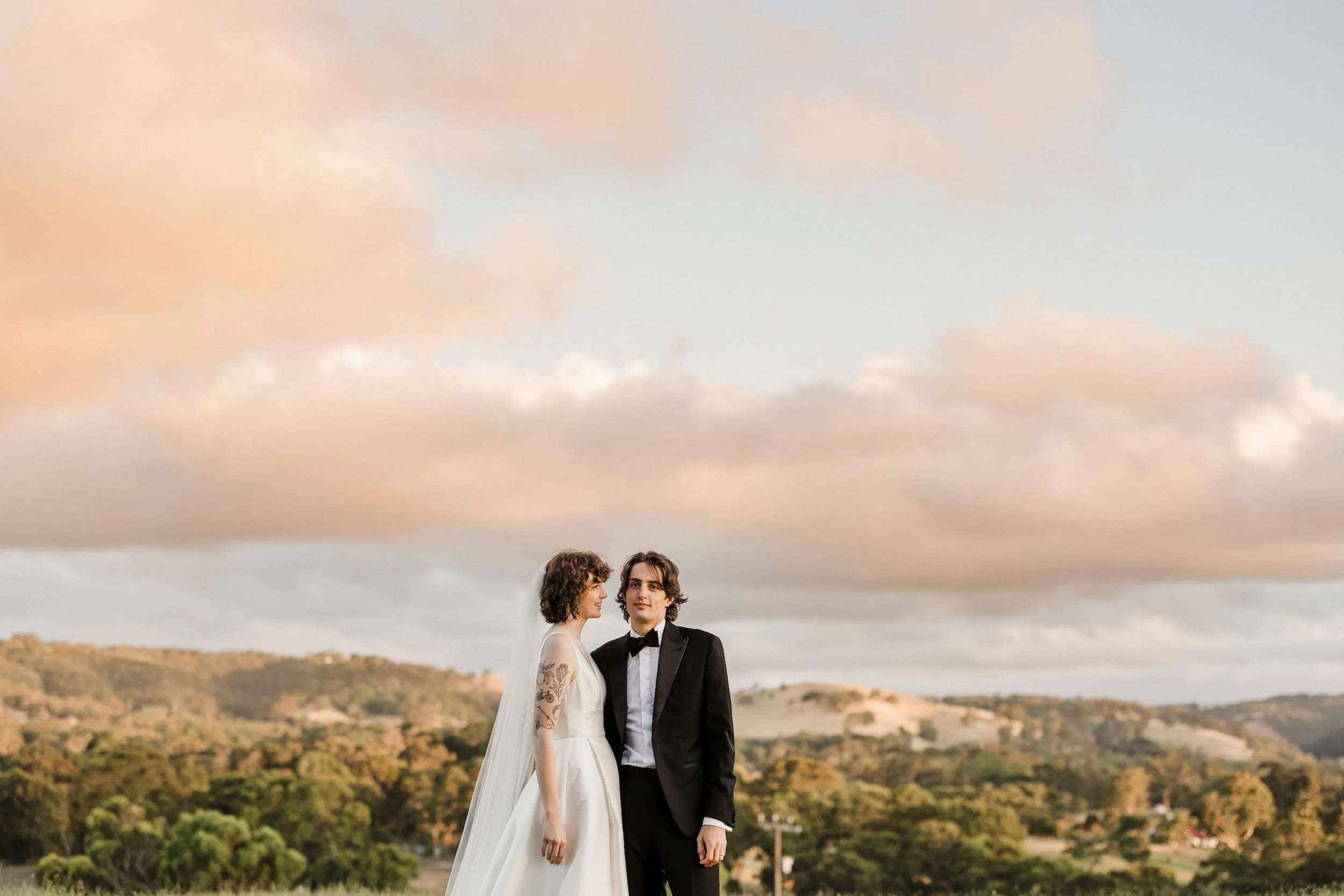
Where my own work fits
My work sits most comfortably within natural wedding photography, with plenty of storytelling woven through it.
I don’t arrive with a notebook full of poses to work through. But I also won’t leave you standing in a paddock wondering what on earth to do with your hands.
I want the portrait session to feel like hanging out with an old friend. We’ll chat, wander around and hunt down beautiful pockets of light together.
I use a slightly different approach with every couple and group of friends. The goal is always the same: to help everyone feel comfortable and create beautiful photographs filled with genuinely candid moments.
Some people need almost no direction. We chat, I point out an amazing pocket of light or an interesting composition, and we hang out while I capture what naturally happens.
Others relax more easily with a little conversational prompting and fun. I’m not working through a set routine. I’m reading the room. I might ask to see your best (or worst) dance moves, encourage you to tell your partner something guaranteed to make them laugh, or even ask you to smell their eyebrow. It sounds bizarre, but trust me—it works.
I don’t come with poses. I come with old-friend energy.
The aim isn’t to recreate the same fun photographs at every wedding. It’s to create enough comfort that your real personalities, interactions and candid moments can come through. For most of the day, I’ll be chatting with your family, laughing with your friends and becoming part of the celebration. I don’t want to constantly direct what is happening, but I’m not trying to disappear into the background either.
Building rapport helps people relax. Eventually, they stop treating me like a stranger with a camera and begin naturally including me in what is happening. That’s where so many of the genuine and candid photographs come from.
My background in filmmaking also means I naturally notice light, landscape, atmosphere, interesting compositions and the little details that connect a story. I don’t want to reshape your relationship into my idea of what romance should look like. I want the photographs to feel like you.
There is no single best wedding photographer
There is no single best photographer—and no single best wedding photography style. A photographer can be incredibly talented, experienced and adored by their clients and still be completely wrong for you.
The right photographer is the person whose work you love, whose presence makes you feel comfortable and whose way of working matches the experience you actually want. Before comparing packages, ask yourselves:
How do we want photography to feel?
How much direction do we want?
How much of our day do we want to spend creating photographs?
And years from now, what do we want those photographs to give back to us?
Once you understand those things, it becomes much easier to recognise the right photographer when you find them.
And if your answers sound like natural photographs, conversational guidance, plenty of room to be yourselves, time to enjoy the party and a gallery full of genuine feeling, then I may be your gal. You can explore some wedding stories, look through my photography packages or book a quick chat to see if we vibe.
And if this guide has helped you realise you want something completely different? Fantastic. Go and find the photographer—and the style—that will make you feel completely at home.
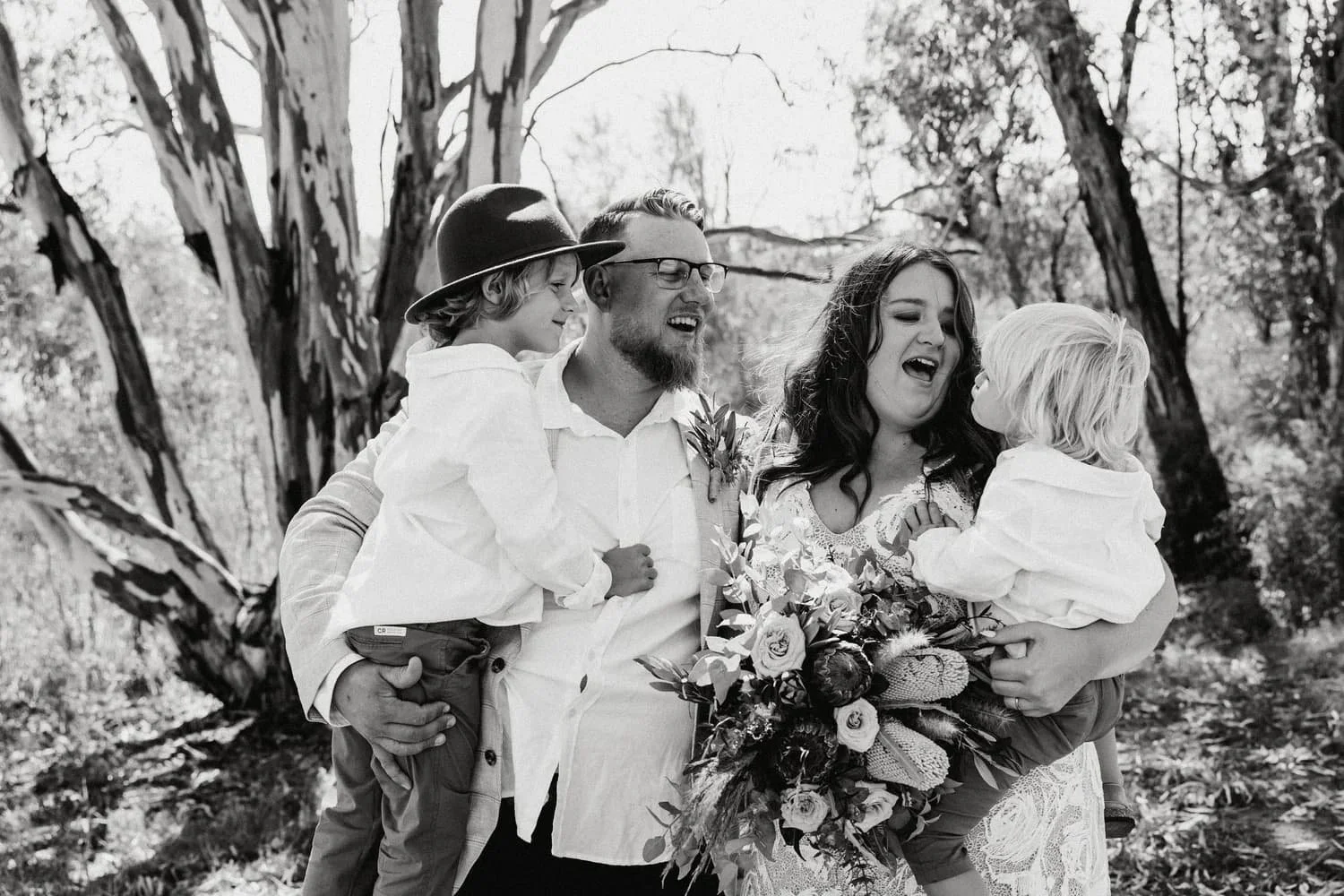




Not sure which wedding photography style feels right for you? This guide explores classic, editorial, documentary, natural and cinematic photography—helping you understand how each approach feels on the day, how much direction you might receive, and which one will make you think, “Yes. That’s what I want.”